Rug cleaning on Haverstock Hill local guide and tips
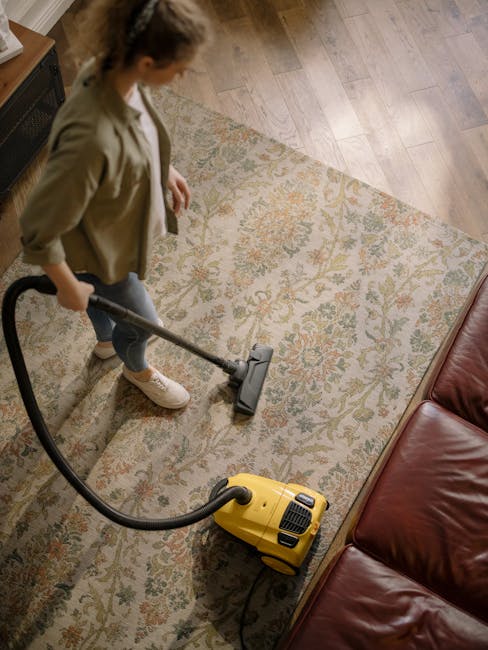
If your rug is looking a bit tired, has picked up a stain, or just has that dull flat look that creeps in over time, you are in the right place. This guide to rug cleaning on Haverstock Hill local guide and tips is built for real homes, real mess, and the usual London dust, foot traffic, and accidental tea spill that seems to happen at the worst possible moment.
Rug care is one of those jobs people put off until the issue becomes obvious. Then comes the question: can you clean it yourself, or is it safer to bring in a specialist? In this article, we will walk through how rug cleaning works, what to watch for with different fibres, the common mistakes that cause damage, and how to make a sensible decision without overthinking it. Truth be told, that is often half the battle.
Whether you live near the busy stretch of Haverstock Hill, manage a rental, or simply want your living room to feel fresher, the advice below is designed to help you make a smart call.
Why Rug cleaning on Haverstock Hill local guide and tips Matters
Rugs do a lot more work than people realise. They soften a room, absorb sound, and tie a space together visually. They also collect dust, grit, pet hair, pollen, crumbs, and the odd spill. On a street like Haverstock Hill, where homes and flats see a steady flow of shoes, jackets, bags, and day-to-day life, a rug can pick up dirt faster than you expect.
A dirty rug is not just about looks. Embedded grit can act like fine sandpaper on fibres, especially in high-use areas. Once that happens, the rug starts to feel rougher, look matted, and lose colour depth. Stains are another issue. Leave them too long and they can bond with the fibre, making them much harder to remove cleanly later.
There is also the comfort factor. A clean rug makes a room feel fresher, and to be fair, most people notice the difference straight away. It is one of those "why didn't we do this earlier?" jobs.
For households with children, pets, or allergy concerns, regular rug cleaning can make everyday life feel easier. It is not a miracle cure, but it does help reduce the build-up of dust and surface debris. If you already use broader fabric care around the home, a coordinated approach with steam carpet cleaning and upholstery cleaning can make the whole place feel more consistent rather than cleaning one item in isolation.
How Rug cleaning on Haverstock Hill local guide and tips Works
Rug cleaning is not one single method. It depends on the fibre, the backing, the dye stability, the type of soil, and whether the rug is handmade, synthetic, wool, or blended. The process usually starts with inspection, then dry soil removal, stain treatment, cleaning, rinsing or extraction, and finally controlled drying.
A proper inspection matters more than people think. A rug that looks sturdy from across the room may have delicate dye, a fragile fringe, or a backing that should not be soaked. You do not want to find that out halfway through. Different materials react differently to water, heat, agitation, and cleaning agents.
For example:
- Wool rugs often need gentle treatment and careful moisture control.
- Synthetic rugs are usually more forgiving, though not always stain-proof.
- Hand-knotted rugs may need more caution around fringe, dye, and pile direction.
- Flatweaves can clean well but may dry more quickly and show residue if rinsing is poor.
The actual cleaning method can vary too. Some rugs respond well to low-moisture or controlled wet cleaning, while others need targeted stain treatment first. If the rug has a strong smell from pets or dampness, a specialist approach may be needed. That is where a page like pet stain and odour removal becomes relevant, because odour problems are often deeper than a surface wash.
Drying is the part many people underestimate. A rug that stays damp too long can develop a musty smell, take on wavy edges, or even suffer fibre distortion. Good airflow, the right temperature, and proper positioning matter a lot. A rushed dry is a sloppy finish, and you can usually smell the difference later.
Key Benefits and Practical Advantages
There are several good reasons to keep on top of rug care, and they go beyond having a tidy-looking room.
- Better appearance: Colours look brighter, patterns are clearer, and the pile often feels revived.
- Improved hygiene: Dust and debris are reduced, which helps the rug feel fresher underfoot.
- Longer rug life: Removing grit and stains early helps protect fibres from wear.
- Odour control: Cleaning can reduce stale smells caused by spills, pets, or damp conditions.
- Better room comfort: A clean rug can make the whole space feel more relaxed and cared for.
Another benefit that is easy to miss is presentation. If you are renting out a property, preparing for guests, or simply want your home to feel finished rather than half-done, a clean rug makes a meaningful difference. It sounds small, but it changes the room.
There is also a practical side for landlords and letting agents. Rugs that are cleaned regularly can be easier to maintain between tenancies than rugs left to deteriorate. And if you are already arranging broader fabric maintenance, pairing rug care with carpet cleaning can create a much more even result across the property.
Who This Is For and When It Makes Sense
Rug cleaning is useful for a wide range of people, but the trigger point is different for each household. Some people clean seasonally. Others wait until a stain becomes hard to ignore. Both happen, honestly.
This guide is especially relevant if you are:
- a homeowner who wants to maintain a favourite rug in a living room or hallway
- a tenant or landlord trying to keep a property presentable
- a pet owner dealing with hair, smells, or occasional accidents
- a family with children and frequent spills
- someone who has brought a rug back from storage and wants it refreshed
- an older resident who wants a cleaner, calmer home environment
- a business owner or office manager using rugs in reception areas or meeting spaces
It also makes sense when the rug starts showing one or more of these signs:
- the colours look muted even after vacuuming
- there is a visible traffic lane or worn path
- the rug gives off a stale smell
- spill marks remain after spot cleaning
- the fibres feel sticky, rough, or flattened
Sometimes the right move is a small touch-up, not a full deep clean. Other times, if the rug has a lot of embedded dirt or a stubborn stain, professional treatment is the safer option. A local provider with clear service information, such as the team behind rug cleaning, can help you decide which route makes sense.
Step-by-Step Guidance
If you want to understand the process properly, it helps to think of rug cleaning in stages. Here is the practical version, without fluff.
- Check the rug type. Look at fibre, weave, labels if available, and note any delicate borders or fringes.
- Test for colour stability. A small hidden spot can reveal whether dye may bleed or fade.
- Remove dry soil first. Vacuum gently on both sides where possible. This lifts grit before any moisture is used.
- Treat stains carefully. Blot, do not rub. Use a suitable cleaner and work from the edge inward.
- Choose the right cleaning method. Some rugs can handle a fuller wash, others need lower moisture and lighter agitation.
- Rinse or extract properly. Leftover product can attract more dirt later, which is irritating and unnecessary.
- Dry the rug evenly. Ensure airflow on both sides if possible and keep it flat or correctly supported.
- Finish with a final check. Look for odour, patchiness, edge curling, or areas that still feel damp.
If you are cleaning at home, start conservatively. A little patience goes a long way. In our experience, the biggest mistake is trying to fix everything in one aggressive pass. That usually ends up pushing the stain deeper, or leaving the fibres looking worse than before.
For persistent marks, a specialist stain treatment may be a better route than repeated scrubbing. A dedicated stain removal approach is usually more effective than random spot-cleaning with whatever happens to be under the sink.
Expert Tips for Better Results
Here are the small things that often make the biggest difference.
- Vacuum before and after cleaning. Removing loose grit improves results and reduces abrasion.
- Act on spills quickly. Fresh spills are always easier than old ones. Always.
- Do not over-wet the rug. Too much water can lead to slow drying and texture changes.
- Use white cloths for spot work. Coloured cloths can transfer dye, which is the last thing you want.
- Keep an eye on the backing. Some rug backings dislike saturation more than the visible pile does.
- Air out the room. Fresh airflow helps drying and reduces lingering damp smell.
- Lift the rug occasionally. Rotating or shifting it helps manage uneven wear from foot traffic and sunlight.
Here is a simple truth: rugs often look dirty because they are tired, not because they are ruined. That is good news. A careful clean can restore a lot more than people expect.
If your rug sits near a sofa or under a table, you may also notice that dirt transfers from surrounding fabric and furniture. It is often sensible to think of rug care as part of wider soft-furnishing care, not a one-off isolated job. That is where sofa cleaning can be a useful companion service for busy homes.
Common Mistakes to Avoid
Most rug damage from cleaning is not caused by one dramatic event. It usually comes from a few small errors repeated over time.
- Scrubbing too hard: This can distort the pile and spread the stain wider.
- Using too much product: Residue can attract dirt and leave the rug feeling tacky.
- Skipping the patch test: This is how colour bleed surprises happen.
- Drying too slowly: Damp rugs can smell musty and lose shape.
- Ignoring fringe and edges: These areas are fragile and often get chewed up by careless cleaning.
- Using the wrong heat: Hot treatment is not automatically better, especially on delicate fibres.
- Cleaning only the visible side: Dirt and dust often live underneath too.
One mistake people make in a rush is reaching for the strongest cleaner they can find. It feels logical. It is not always wise. Stronger is not automatically better; sometimes it is just harsher. A mild approach done properly is usually cleaner in the end.
Another common issue is mixing damp rug fibres with high indoor humidity and poor airflow. London flats can be especially awkward in this respect during colder months. If the room feels heavy and the windows are shut, drying will take longer than you think.
Tools, Resources and Recommendations
You do not need a huge kit to care for a rug properly, but the right tools help a lot.
| Tool or item | Why it helps | Best for |
|---|---|---|
| Vacuum with adjustable suction | Removes dust and grit without stressing fibres | Routine maintenance |
| White absorbent cloths | Useful for blotting spills and checking transfer | Spot treatment |
| Soft brush | Lifts surface soil gently | Low-pile or robust rugs |
| Suitable rug cleaner | Targets dirt without damaging the material | Controlled cleaning |
| Fan or good airflow | Speeds drying and reduces odour risk | Post-clean finish |
| Protective gloves | Keeps hands comfortable during treatment | Any cleaning job |
As for recommendations, the best one is fairly simple: know the rug before you clean it. If it is valuable, handmade, antique, or has uncertain dye stability, take the cautious route. A professional service is often better value than replacing a damaged rug.
If you are comparing wider cleaning help for a home or flat, it can be useful to look at related services such as curtain cleaning and mattress cleaning. That broader approach often makes a property feel genuinely refreshed rather than just partly done.
Law, Compliance, Standards, and Best Practice
For most household rug cleaning, there is no special legal complexity. Still, best practice matters, especially if you are hiring someone to work in your property or handling delicate materials. A careful provider should be clear about what they can and cannot clean, how they handle risk, and how they look after your home.
In the UK, sensible expectations usually include:
- clear communication about methods and limitations
- careful handling of delicate items
- reasonable attention to health and safety on site
- transparency around pricing, access, and timing
- respect for customer property and privacy
If you are booking work, it is sensible to check practical things like insurance, payment security, and how concerns are handled if something goes wrong. Those are not glamorous topics, but they are the ones that protect you when something unexpected happens. The company pages for insurance and safety, payment and security, and terms and conditions are the sort of pages a careful customer should read before confirming anything.
There is also a broader responsibility angle for businesses. If you are managing a commercial space, service visits should fit normal workplace safety expectations and not disrupt staff or visitors. For that, commercial carpet cleaning may be relevant alongside rug care in shared spaces.
Options, Methods, and Comparison
There is no single best rug-cleaning method for every situation. The right choice depends on the rug and the problem you are trying to solve.
| Method | Best for | Advantages | Watch-outs |
|---|---|---|---|
| Vacuuming and dry maintenance | Regular upkeep | Fast, safe, low-risk | Will not remove deep staining |
| Spot cleaning | Small spills and marks | Targeted and quick | Can spread stains if rushed |
| Low-moisture cleaning | Delicate or lightly soiled rugs | Reduced drying time | May not suit heavy contamination |
| Deep wet cleaning | Heavier dirt and broader refresh | More thorough, better extraction | Higher drying and handling demands |
| Professional specialist treatment | Antique, valuable, or difficult rugs | Tailored care and expert judgement | Usually costs more than DIY |
For many households, the right answer is a mix. Routine vacuuming, immediate spill response, and occasional deeper cleaning are enough to keep most rugs in good shape. If the item is sentimental or expensive, though, do not gamble. It is a rug, yes, but it might also be the one your grandmother chose, and that changes the calculation a bit.
Case Study or Real-World Example
A common local scenario is a flat where the living room rug sits under a coffee table and gets constant use. Over time, the centre looks faded, the edges are a little better, and there is a faint odour after a wet winter. Nothing dramatic, just that general "the room feels a bit off" feeling.
The first step is usually a careful vacuum on both sides if the rug can be lifted safely. Then a small stain check is done near the traffic area, because there is often a hidden spill involved. In many cases, the rug responds well to a controlled clean rather than a heavy soak. The pile lifts, the colours look more even, and the odour softens. Not magic. Just proper method.
We have seen this kind of job paired with nearby fabric care, especially where the sofa and rug have both taken a battering from daily use. When that happens, combining rug treatment with upholstery cleaning can make the whole room feel much fresher in one go.
The main lesson from real-world jobs is simple: early action saves effort. People often wait until a rug looks genuinely bad. But when handled earlier, the clean is easier, the drying is smoother, and the result usually lasts longer. Small timing difference. Big payoff.
Practical Checklist
Use this before you start any rug cleaning job at home or before booking help.
- Identify the rug fibre and construction if you can.
- Check for fringe damage, loose threads, or worn edges.
- Test a hidden area for colourfastness.
- Vacuum thoroughly to remove dry soil.
- Blot spills instead of rubbing them.
- Use the mildest effective method first.
- Avoid over-wetting the rug.
- Make sure the rug dries fully and evenly.
- Inspect for odour or residue after drying.
- Consider specialist help for valuable, delicate, or heavily stained rugs.
Expert summary: the safest rug cleaning is usually the one that respects the rug's material first and the stain second. That sounds almost too simple, but it saves a lot of avoidable damage.
And honestly, if you are standing there with a cloth in one hand and a slightly panicked look on your face, you are not alone. Most people have been there.
Get a free quote today and see how much you can save.
Conclusion
Rug cleaning on Haverstock Hill does not need to be complicated, but it does need care. The best results come from understanding the rug, moving gently, drying properly, and knowing when to stop DIY-ing and bring in a professional.
If you remember only a few things, make them these: remove dry soil first, treat stains quickly, avoid heavy scrubbing, and never rush drying. That alone prevents a lot of pain later. A rug that is cleaned thoughtfully will usually look better, smell better, and last longer. Simple as that.
For local households and businesses alike, a sensible rug-care routine can make a space feel more balanced, more welcoming, and just nicer to live with. Small improvement, yes. But the room notices. You notice.
And that is often the point.
Frequently Asked Questions
How often should a rug be cleaned?
It depends on use, foot traffic, pets, and the rug material. A busy household may need deeper cleaning less often but regular vacuuming more often. Light-use rugs can usually go longer between cleans, provided spills are handled quickly.
Can I clean a wool rug at home?
Sometimes, yes, but only if you are careful and the rug is suitable. Wool can react badly to excess moisture, heat, or harsh product. If the rug is valuable or delicate, a specialist approach is safer.
What is the biggest mistake people make with rug cleaning?
Scrubbing too hard is the classic one. It spreads stains, damages pile direction, and can make the rug look worn even when the stain has gone. Over-wetting is a close second.
Will vacuuming alone keep my rug clean?
Vacuuming helps a lot and should be done regularly, but it will not remove all stains or embedded residue. Think of it as maintenance rather than a full clean.
How do I know if a stain needs professional treatment?
If the stain is old, large, oily, or linked to pet odour, professional treatment is often the better call. Also, if you have already tried a few home methods and nothing changed, it is probably time to stop experimenting.
Is steam cleaning safe for all rugs?
No, not all rugs suit steam or high-moisture treatment. Some fibres, dyes, and backings need gentler methods. Always check suitability first rather than assuming heat will fix everything.
How long does a rug take to dry after cleaning?
Drying time varies with size, fibre, ventilation, humidity, and the cleaning method used. A well-managed clean should dry evenly, but if a rug stays damp for too long, that is a sign the process needs better airflow or less moisture next time.
Can rug cleaning remove pet smells?
Often it can reduce them significantly, especially if the odour is in the surface fibres. Strong or repeated pet odours may need targeted treatment rather than a general clean. That is where specialist odour removal can help.
Should I clean both sides of a rug?
Where the rug construction allows it, yes, cleaning or at least vacuuming both sides can help remove trapped dust and grit. It is a small step that often improves the result more than people expect.
What should I check before booking a rug cleaner?
Look for clear information on methods, pricing, insurance, and how fragile items are handled. It is also sensible to read the company's policies so you know what to expect if something changes on the day.
Does rug cleaning help with allergies?
It can help reduce dust and debris trapped in fibres, which may make a room feel fresher. It is not a medical treatment, of course, but a cleaner rug can contribute to a cleaner-feeling home environment.
What if my rug has fringe damage?
Fringe damage needs extra caution. Aggressive brushing or rough machine action can worsen it quickly. If the fringe is already fragile, ask about a gentler method before proceeding.