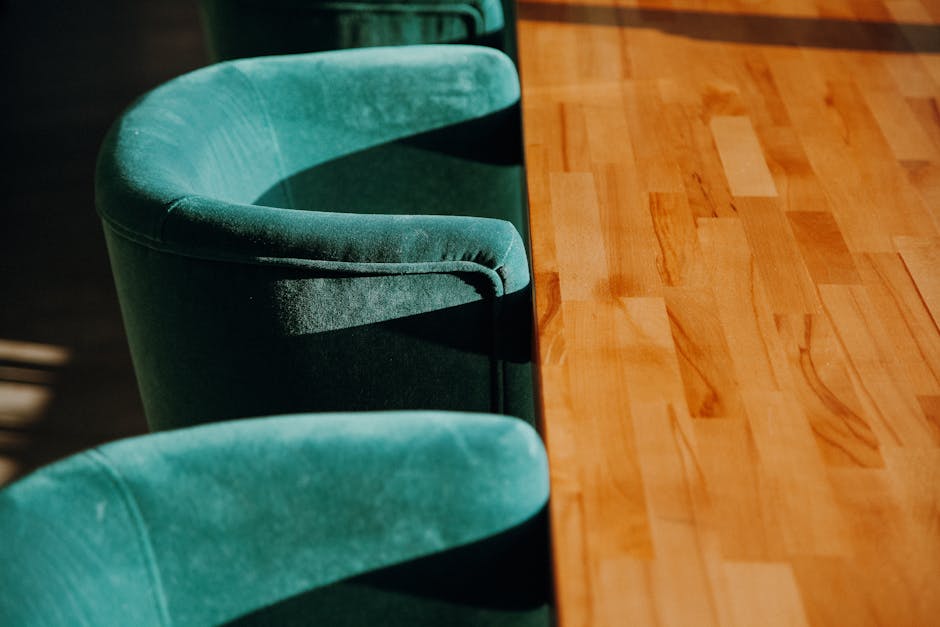
Hampstead Heath upholstery cleaning guide for Belsize Park homes

If your sofa is looking a bit tired, your dining chairs have picked up daily life in all the wrong places, or that armchair near the window has started to hold onto dust and smells, this Hampstead Heath upholstery cleaning guide for Belsize Park homes is for you. In a part of London where homes are often well-loved, beautifully furnished, and not always easy to service with bulky equipment, the right upholstery care makes a real difference. It helps your furniture look better, last longer, and feel genuinely fresh again.
This guide walks through how upholstery cleaning works, which methods suit common fabrics, what to expect from a professional visit, and where people tend to go wrong. It also covers practical local considerations for Belsize Park homes, from flats with narrow access to households juggling pets, children, and busy routines. Truth be told, upholstery is one of those things you only notice properly once it starts looking dull. Then suddenly, you notice everything.
For a broader look at related services, you may also find upholstery cleaning, sofa cleaning, and stain removal useful alongside this guide.
Why Hampstead Heath upholstery cleaning guide for Belsize Park homes matters
Upholstery cleaning is not just about appearances. In a typical Belsize Park home, fabric furniture often plays a bigger role than people realise. The sofa becomes the family gathering point, the dining chairs get used daily, and the occasional guest bed or window seat catches dust, pollen, pet hair, and general London grime. Hampstead Heath is close enough that many homes benefit from a regular deep clean simply because the local lifestyle brings people in and out, with coats, shoes, and outdoor air all doing their thing.
Fabric upholstery absorbs fine particles over time. You may not see them at first, but you will notice the build-up: a slightly greyish tone, a flat texture, or that stubborn smell that lingers after dinner, pets, or a wet umbrella season. If you have ever sat down and thought, "Why does this sofa feel older than it should?" you are probably already at the point where surface vacuuming is no longer enough.
There is also the comfort factor. A cleaner piece of furniture simply feels better to use. The fibres lift again, colours look more honest, and the room tends to feel brighter. That matters in flats and townhouses where natural light can already be a bit precious. Even one clean armchair can change how a room reads.
Expert summary: upholstery cleaning works best when it is treated as routine care rather than a rescue job. Light maintenance, fast stain response, and the right cleaning method for the fabric usually deliver the best results.
How Hampstead Heath upholstery cleaning guide for Belsize Park homes works
At its simplest, upholstery cleaning removes soil, oils, residue, and spots from fabric-covered furniture without damaging the material or the filling underneath. The process starts with identifying the fabric type, the dye stability, the construction of the furniture, and the level of soiling. That last part matters more than people think. A lightly dusty linen chair needs a very different approach from a family sofa with food marks, pet hair, and an old drink spill in the corner.
Most professional upholstery cleaning visits follow a careful sequence. First comes inspection. Then dry soil removal, usually with thorough vacuuming and detailing around seams, buttons, and creases. After that, the technician chooses a method based on the fabric and the condition of the item. That may be low-moisture cleaning, hot water extraction where suitable, foam cleaning, or targeted stain treatment. The aim is to clean deeply while controlling moisture and drying time.
Fabric labels often guide the approach. A water-safe fabric can usually cope with more intervention, while a delicate textile may need a gentler technique. To be fair, this is where DIY attempts often go sideways: people use the same cleaner on everything and hope for the best. Sofas are not all made equal. Not even close.
Drying is part of the method too. Good cleaning is not only about what happens on the day; it is also about what happens afterwards. Airflow, room temperature, and how much product was used all affect how quickly the fabric settles back into normal use.
Typical stages of a professional clean
- Inspection of the upholstery fabric, frame access, and existing marks.
- Testing in a discreet area if there is any risk of dye transfer or colour loss.
- Vacuuming to remove loose dust, crumbs, pet hair, and grit.
- Pre-treatment of visible stains and traffic areas.
- Chosen cleaning method applied carefully and evenly.
- Controlled extraction or wiping to remove soil and residue.
- Final grooming of the fibres and advice on drying.
For items that sit alongside fabric furnishings, it can be helpful to coordinate with carpet cleaning or even curtain cleaning, especially if you want the whole room to feel refreshed rather than just one item.
Key benefits and practical advantages
The benefits of upholstery cleaning are practical, but they are also surprisingly noticeable. People often expect a small cosmetic improvement and end up with a room that feels calmer, lighter, and less stuffy. Not dramatic, maybe. But definitely real.
- Improved appearance: colour, texture, and fabric pattern usually look clearer after a proper clean.
- Better hygiene: cleaning removes everyday debris, skin oils, and settled dust that vacuuming alone will not fully shift.
- Odour reduction: lingering cooking smells, pet odours, and general mustiness can be reduced when the source material is removed.
- Longer fabric life: grit and residue wear fibres down over time, so removing them helps preserve the upholstery.
- More comfortable rooms: a clean sofa or chair tends to make the whole space feel cared for.
- Better value from existing furniture: often a professional clean delays the need for reupholstery or replacement.
There is also a low-key mental benefit. A clean sofa changes how a room feels at the end of the day. You notice it in the evening when the lights are low and the fabric no longer looks dull under the lamp. Small thing, but it matters.
Who this is for and when it makes sense
This guide is useful for a wide range of Belsize Park households. If your home has a family sofa that takes daily punishment, a pale accent chair that shows every mark, or a rented flat where you want to protect the deposit, upholstery cleaning makes sense. It is also a smart move for homes with pets, smokers, frequent visitors, or anyone who likes to keep interiors looking polished without replacing furniture every few years.
It is especially worth considering in these situations:
- you can see visible staining or shading on armrests and seat cushions;
- there is a stale, sour, or pet-related smell you cannot quite place;
- the furniture has been cleaned before, but not in the last year or so;
- you are preparing for guests, photos, a tenancy inspection, or a sale;
- someone in the household has allergies and dust control matters;
- the upholstery is light-coloured and shows traffic marks quickly.
On the other hand, if the fabric is heavily damaged, badly sun-faded, or structurally worn, cleaning may improve it but not transform it. That is just being honest. Sometimes the better call is stain reduction and maintenance rather than a promise of miracles.
Step-by-step guidance
Here is a practical way to approach upholstery cleaning, whether you are handling light maintenance yourself or preparing for a professional service.
1. Identify the fabric
Check the care label where possible and look closely at the weave, pile, and finish. Cotton, polyester blends, velvet, wool, linen, and microfibre all respond differently. If you are unsure, do not guess with water or detergent. That little moment of caution can save a lot of regret.
2. Vacuum properly
Use a clean upholstery attachment and work slowly. Pay attention to seams, tufting, and under cushions. This step sounds basic, but honestly, it is one of the biggest difference-makers. Dust left behind turns into grime when moisture is added.
3. Treat spots before the full clean
Specific stains often need specific treatment. Food, drink, body oils, pet accidents, and ink do not behave the same way. A sensible stain-first approach usually gives better results than blasting the whole sofa and hoping the mark disappears with the rest. If a spill involves pets, the dedicated pet stain and odour removal service page may also be relevant.
4. Choose the right cleaning method
Low-moisture methods are often suitable for delicate fabrics or items that need faster drying. Hot water extraction can work well on some robust upholstery types, but only when the fabric allows it. Foam or encapsulation-style cleaning may be useful where too much water would be risky. The correct choice depends on the item, not on fashion or habit.
5. Control drying carefully
Open windows if weather allows, keep air moving, and avoid sitting on the furniture too soon. People always want the sofa back immediately. Fair enough. But rushing drying can flatten fibres or leave a damp smell, and nobody wants that.
6. Finish with aftercare
Brush the pile where needed, replace cushions only once fully dry, and keep an eye on any marks that may resurface during drying. Some stains are sneaky. They fade, then return after the fabric dries. Upholstery has a funny way of doing that.
Expert tips for better results
After working around fabric furniture long enough, you start to notice patterns. The homes that get the best results are rarely the ones with the fanciest products. They are the ones where the owners stay consistent and avoid panic-cleaning.
- Act fast on spills: blot, do not rub. Rubbing pushes liquid deeper and can distort the nap of the fabric.
- Test any cleaner first: even mild products can affect dyes or finishes.
- Use less product than you think: over-wetting and over-shampooing create residue, which then attracts more soil.
- Rotate cushions: this reduces uneven wear and helps the sofa age more gracefully.
- Deal with odours at the source: fragrance only masks the issue and often leaves you with a weird mix of smells.
- Book cleaning before fabric becomes visibly grimy: prevention beats restoration nearly every time.
One practical tip that gets overlooked: take a quick photo of problem areas before cleaning. It helps you judge progress properly later, especially on patterned or textured fabrics where your eyes can play tricks on you. The room looked better, yes, but did that stain really fade, or are you just relieved? A photo answers it.
Common mistakes to avoid
Most upholstery damage comes from well-meaning mistakes rather than neglect. That is the annoying truth of it.
- Using too much water: this can cause slow drying, watermarking, or padding issues.
- Scrubbing stains aggressively: it spreads contamination and may roughen the fabric.
- Ignoring hidden areas: the back, sides, and cushion undersides collect dust too.
- Applying one-size-fits-all cleaners: some products are too strong for delicate fabrics.
- Cleaning without checking the label: a small test area is always wiser than a full blind attempt.
- Sitting on the furniture too soon: pressure while damp can distort the finish.
Another common issue is only cleaning the visible seat area. That is like washing the bonnet of a car and calling it a valet. Better than nothing, sure, but not really the full job.
Tools, resources and recommendations
You do not need a van full of specialist kit for basic upkeep, but the right tools help. For most homes, a good vacuum with upholstery attachments is the starting point. Add soft brushes, white microfibre cloths, a clean towel for blotting, and a fabric-safe spot treatment if the care label allows it. If you hire equipment, check how heavy it is and whether it will be manageable in a Belsize Park flat with stairs or a narrow landing. That sounds trivial until you are wrestling a machine through a hallway at 7 pm.
For homeowners weighing up professional help, a few internal pages may help you plan the wider service:
- pricing and quotes if you want to compare options before booking;
- payment and security for peace of mind around transactions;
- insurance and safety if you want to understand service safeguards;
- recycling and sustainability if you care about lower-impact cleaning choices.
If your project is larger than one sofa, it may make sense to coordinate with rug cleaning or even mattress cleaning so the whole bedroom or living area gets a consistent finish.
Law, compliance, standards, or best practice
Upholstery cleaning is not usually a heavily regulated household task in itself, but reputable providers should still follow sensible UK business and safety practice. That means clear communication, careful handling of chemicals, appropriate public liability cover where offered, and honest expectations about what can and cannot be removed safely.
Best practice also includes using products according to manufacturer guidance, taking care with electrical equipment, and working safely around water, slip risks, and fragile furnishings. In a shared building or managed property, it is also wise to be mindful of access, noise, and any building rules. Belsize Park homes are often in converted buildings or apartments, so quiet courtesy matters almost as much as cleaning skill.
On the customer side, you should expect plain explanations rather than sales fluff. If a technician says a stain may improve but not disappear entirely, that is usually a good sign. It shows they are dealing in reality, not wishful thinking.
If you want to learn more about service standards and company information, the pages on health and safety, terms and conditions, and privacy policy are the kind of documents worth reviewing before booking anything at all.
Options, methods, and comparison table
Different upholstery fabrics and conditions call for different methods. Here is a simple comparison to help you think it through.
| Method | Best for | Strengths | Limitations |
|---|---|---|---|
| Vacuuming and dry brushing | Routine maintenance | Fast, low risk, good for dust and crumbs | Will not remove deep staining or odour |
| Low-moisture cleaning | Delicate or faster-drying jobs | Less water, lower drying time, fabric-friendly | May be less aggressive on heavy soil |
| Hot water extraction | More robust upholstery | Deep clean, strong soil removal | Higher moisture, careful drying needed |
| Foam or targeted spot treatment | Localised marks and selective cleaning | Useful for stains, controlled application | Not always enough for whole-item refresh |
The main decision is not which method sounds most impressive. It is which one best matches the fabric, the soil level, and the drying conditions in your home. A small north-facing room in a flat off Hampstead Heath is not the same as a bright family space with open windows and airflow. Context matters.
Case study or real-world example
Imagine a Belsize Park flat with a pale three-seat sofa, two dining chairs, and a wool rug in the same room. The owners have a dog, work from home, and tend to eat on the sofa when the week gets busy. Nothing unusual there. Over time, the arms of the sofa dull, the seat cushions develop patchy shading, and a faint pet smell settles in even after airing the room.
In that sort of home, the best approach usually starts with a careful vacuum, then targeted pre-treatment for the seat areas and pet-related odour points, followed by a controlled cleaning method suitable for the fabric. If the rug has picked up similar wear, cleaning it at the same time helps the room feel coherent rather than half-done. The owners often notice the difference most in the evening, when lamplight catches the fibres and the whole space looks calmer. Not perfect, just properly looked after.
That is really the goal for most homes: not showroom fantasy, but a genuinely fresher, more comfortable place to live in.
Practical checklist
Use this quick checklist before you clean or book a clean:
- Check the fabric care label, or inspect the material carefully if the label is missing.
- Vacuum all surfaces, including seams and under cushions.
- Identify visible stains, smells, and high-traffic areas.
- Decide whether the fabric needs gentle care or a deeper method.
- Test any product in a hidden area first.
- Make sure the room has enough airflow for drying.
- Keep pets and children away until the upholstery is fully dry.
- Ask about aftercare if you are using a professional service.
- Combine cleaning with other soft furnishings if the room needs a broader refresh.
- Set a realistic expectation: improvement is the goal, not magic.
Conclusion
A thoughtful upholstery clean does far more than tidy up the look of a sofa. It restores comfort, reduces built-up dirt, and helps your furniture last longer in a home that actually gets lived in. For Belsize Park households near Hampstead Heath, that can mean dealing with a mix of outdoor dust, pets, family use, and compact living spaces where furniture works hard every single day.
The key is to match the method to the fabric, avoid over-wetting, and treat stains early rather than late. Keep the process calm and practical. No drama needed. The best results usually come from steady care, sensible expectations, and a bit of know-how.
If you are comparing options or planning a refresh for your home, start with the most relevant service pages and work from there. A cleaner room has a way of making everything feel a little more manageable, and honestly, that is worth a lot.
Get a free quote today and see how much you can save.
Frequently Asked Questions
How often should upholstery be cleaned in a Belsize Park home?
For most homes, a light maintenance clean every few months and a deeper professional clean when visible soiling builds up is a sensible rhythm. Homes with pets, children, or lots of daily use may need attention sooner.
Can all upholstery fabrics be steam cleaned?
No. Some fabrics cope well with steam or hot water extraction, while others are too delicate or can hold too much moisture. The fabric type and care label should guide the method, not habit.
What is the safest way to remove a fresh spill from a sofa?
Blot the spill gently with a clean white cloth or towel. Do not rub. Rubbing pushes liquid deeper and can spread the mark. If the stain remains, use a fabric-appropriate treatment or seek professional help.
Will upholstery cleaning remove pet odours completely?
It can reduce or remove many pet odours if the source is in the fabric rather than the padding or frame. Older or deep-set odours can be more stubborn and may need targeted treatment.
Is professional upholstery cleaning worth it for a rented flat?
Often, yes. It can help protect your deposit, improve the presentation of the property, and save you from replacing furniture unnecessarily. Just make sure the method is suitable for the items in the flat.
How long does upholstery take to dry?
Drying time depends on the fabric, the cleaning method, room airflow, and how much product was used. Low-moisture methods usually dry faster, while wetter processes need more time and patience.
Can I clean velvet upholstery myself?
Some velvet fabrics are more forgiving than others, but velvet can be sensitive to pressure, moisture, and residue. If you are unsure, test a hidden area first or choose professional cleaning.
Does upholstery cleaning help with allergies?
It can help reduce dust, pollen, pet hair, and other settled debris on fabric surfaces. That said, it is not a medical treatment, and results vary depending on the home and the fabric's condition.
What should I ask before booking a cleaner?
Ask which fabrics they handle, what cleaning method they recommend, how long drying may take, whether they do stain pre-treatment, and what aftercare they suggest. Clear answers are a good sign.
Can upholstery cleaning remove old stains?
Sometimes it can improve them significantly, but old stains are unpredictable. The older the stain, the more likely it has bonded with the fabric or padding. It is better to ask for a realistic assessment than a promise.
Is it better to clean upholstery and carpets at the same time?
Often, yes. If the same room has both, cleaning them together can create a more even finish and save time overall. It also helps the space feel properly refreshed rather than partly done.
Where can I find more information about your service policies?
You can review the relevant pages on about us, complaints procedure, and contact us for company details and service information.