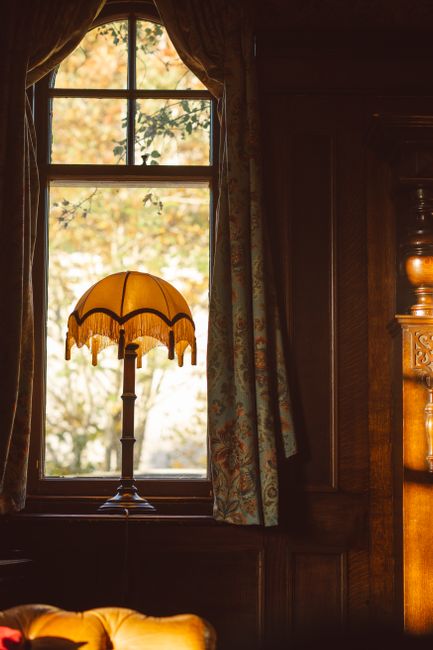
Belsize Village curtain cleaning guide for period homes
If you live in Belsize Village, you already know period homes have a certain charm: tall sash windows, original plasterwork, deep skirtings, and curtains that do more than "dress" a room. They shape the light, soften acoustics, and quietly carry the dust, soot, and everyday life of the house. This Belsize Village curtain cleaning guide for period homes is here to help you care for those curtains properly, without flattening the fabric, fading the colour, or risking damage to older fittings. Truth be told, curtains in older homes need a gentler, more considered approach than most people expect.
In the sections below, you'll find practical cleaning methods, fabric-specific advice, common mistakes to avoid, and sensible guidance for deciding when to do it yourself and when to bring in professional help. If you're also looking after other textiles in the home, it can be useful to compare curtain care with upholstery cleaning or broader fabric maintenance through stain removal. Different materials, similar caution. And in period homes, caution is not a bad habit at all.
Table of Contents
- Why curtain cleaning matters in period homes
- How curtain cleaning works
- Key benefits and practical advantages
- Who this guide is for
- Step-by-step guidance
- Expert tips for better results
- Common mistakes to avoid
- Tools, resources and recommendations
- Law, compliance and best practice
- Options and method comparison
- Case study / real-world example
- Practical checklist
- Conclusion
- Frequently asked questions
Why Belsize Village curtain cleaning guide for period homes Matters
Period homes in Belsize Village often have fabrics that have been in place for years, sometimes decades. That means curtain cleaning is not just about appearance. It's about preservation. Dust can work its way into fibres, making colours look flat and tired. Pollutants from London traffic, kitchen steam, and normal household activity can leave curtains with a dull finish or lingering odours. If the windows are often open, you may also get more airborne grit than you'd expect, especially near busier roads.
Older properties also tend to have more delicate architectural details. Heavy pelmets, original tracks, brass fixtures, and lined curtains can all react differently to moisture and agitation. A quick aggressive clean can lead to shrinkage, puckering, water marks, or a lining that no longer hangs properly. And once the drape is off, you notice everything. The fold line that wasn't quite right, the faint sun fade near the sill, the mysterious mark on the leading edge. It all shows up in bright daylight.
There's another reason this matters: period homes often use layered window treatments. You may have sheers, blackout linings, interlined curtains, or decorative tiebacks. Cleaning one layer badly can affect the whole arrangement. So the goal is not just "clean curtains"; it's to keep the look, shape, and life of the fabric intact for as long as possible.
Expert summary: In a period home, the best curtain cleaning method is usually the one that removes soil gently, respects the fabric construction, and avoids unnecessary heat, friction, or over-wetting.
How Belsize Village curtain cleaning guide for period homes Works
Before cleaning anything, start with identification. What fabric are you dealing with? Cotton, linen, silk, velvet, wool blend, polyester, or a mixed lining? The fibre content and construction often matter more than the room itself. A lined curtain in a drawing room is a very different beast from an unlined voile in a bedroom.
There are usually three practical cleaning routes:
- Light maintenance cleaning - dusting, vacuuming with a soft brush attachment, and spot treating small marks.
- On-fabric cleaning - gentle surface cleaning while the curtains remain hanging, suitable for some synthetic or sturdy fabrics.
- Off-site or professional cleaning - careful removal, assessment, and controlled cleaning for delicate or valuable curtains.
In period homes, the safest route is often guided by the fabric label, the lining, and the age of the curtain. If the label is missing, which happens more often than you'd think, you need to read the fabric itself. Does it crush easily? Does it feel brittle at the hem? Has sunlight faded one side? These little clues tell you a lot.
Professional curtain cleaning usually begins with inspection and fibre testing, then a suitable process such as low-moisture cleaning or specialist solvent-based treatment depending on the material. That's the sensible approach, anyway. Especially for older textiles that may not forgive a "let's see what happens" attitude.
Key Benefits and Practical Advantages
Good curtain cleaning delivers more than a fresher-looking room. In period properties, the advantages are practical and aesthetic at the same time.
- Better light quality: Clean curtains let daylight feel softer and clearer, without the grey cast that dust can create.
- Longer fabric life: Removing grit and embedded soil reduces fibre wear, especially along folds and hems.
- Improved indoor feel: Curtains can hold odours from cooking, pets, and everyday living. Cleaning helps the room smell cleaner without overpowering fragrance.
- Protection of original features: Many period homes rely on curtains to complement sash windows and original proportions. Crisp, healthy drape matters.
- Less allergen build-up: Dust accumulation is common on soft furnishings, and curtains are often overlooked.
There's also a visual benefit that's hard to quantify but easy to notice. Once the curtains are clean, the whole room tends to feel calmer. The edges hang better. The folds read more neatly. Even the paintwork looks a bit sharper. It's a small thing, really, but it changes the tone of the room.
If you're planning wider fabric care around the property, services like sofa cleaning and rug cleaning often follow similar principles: respect the fibre, test first, and avoid shortcuts.
Who This Is For and When It Makes Sense
This guide is for anyone responsible for curtain care in a period home, especially if the property has older or more delicate fittings. That includes homeowners, landlords, tenants in furnished homes, and interior-conscious residents who simply want to keep the place looking right.
It makes sense to prioritise curtain cleaning if you notice any of the following:
- Visible dust on the leading edges or bottom hems
- Musty, stale, or cooking-related odours
- Sun fading becoming more obvious
- Pollen or seasonal grime collecting near open windows
- Flattened pile, crushed texture, or lifeless drape
- Marks near touch points, especially around tiebacks and cords
For some households, spring and early autumn are the most practical times to clean. You get better drying conditions, windows can stay open longer, and you're more likely to spot issues before the heating season begins. Of course, if you've got a stubborn stain or a sudden spill, you don't wait for the "ideal season". You deal with it sooner.
This is also relevant for people who have recently bought a period property and want to reset the place gently without stripping away its character. In that case, curtain care can be part of a broader refresh, alongside carpet cleaning or steam carpet cleaning for the floors.
Step-by-Step Guidance
Here's a practical process you can follow at home before deciding whether specialist cleaning is needed.
- Check the fabric and lining. Look for a care label if present. If not, inspect the weave, sheen, and weight. Silk, velvet, interlined curtains, and antique textiles need special caution.
- Test for dust release. Gently tap the curtain or run a white cloth over a discreet area. If you see a lot of dust, vacuuming is a good first step.
- Vacuum carefully. Use a soft brush attachment and low suction if possible. Work top to bottom. Don't press hard; you are removing loose dust, not sanding a table.
- Spot clean only where safe. Blot small marks with a clean, barely damp cloth. Never rub. Rubbing tends to spread the stain and roughen the fibre.
- Check the header, hems, and pleats. These areas collect dirt and are also where damage often starts. Loose stitching or weakened tape should be repaired before heavier cleaning.
- Decide whether hanging cleaning is appropriate. Some synthetic curtains and sturdier fabrics can tolerate on-site cleaning. Delicate or structured curtains usually benefit from removal.
- Allow proper drying. If any moisture is used, ventilate the room and avoid forcing heat directly onto the fabric.
- Rehang with care. Make sure hooks, rings, and tracks are aligned before the fabric goes back up. Small errors here can ruin the finish, annoyingly fast.
A simple rule helps: if the curtain is expensive, historic-looking, heavily lined, or emotionally irreplaceable, pause before doing anything drastic. That pause may save you a lot of bother later.
Expert Tips for Better Results
In practice, the best outcomes come from restraint. Period-home curtains often do better with gentle, regular maintenance than with rare, aggressive deep cleans.
- Vacuum monthly if the room is used daily. Not a big job, just a light pass.
- Keep curtains out of direct abuse. Open windows are fine, but avoid letting wet condensation sit on the fabric.
- Treat stains quickly. Fresh marks are much easier to manage than old ones set into the weave.
- Use side-light to inspect fabric. Morning or late-afternoon light often reveals dust and water marks better than overhead lighting.
- Protect the floor during spot cleaning. A towel or sheet underneath saves parquet, carpet, and paintwork from accidental drips.
- Be extra careful with velvet and silk. They can look magnificent, but they rarely enjoy rough handling.
If you want a useful mental shortcut, think "support the curtain" rather than "clean the curtain". Support means keeping the fibres, the lining, the hardware, and the room conditions in balance. It sounds a bit grand, but that's basically the game.
And here's one more thing: if your curtains are part of a coordinated interior, cleaning them alongside other fabrics can be smarter than tackling one item in isolation. A refreshed curtain next to a dull sofa looks half-finished. A refreshed curtain beside cleaned upholstery? Much better. Much, much better.
Common Mistakes to Avoid
Most curtain damage comes from a handful of avoidable habits. The good news is that once you know them, they're easy to steer around.
- Using too much water. Water can create rings, shrink linings, and leave curtains hanging unevenly.
- Scrubbing stains. This drives the mark deeper and can distort the pile or weave.
- Ignoring the lining. The front of the curtain may look fine while the lining is holding dust, odour, or moisture.
- Cleaning with high heat. Heat can alter fibres, especially synthetic blends and older trims.
- Forgetting to test a hidden area. A small patch test is boring, yes, but it beats a visible disaster.
- Hanging wet curtains badly. Uneven reinstallation can cause distortion, stretching, and obvious ripple lines.
A slightly funny but true point: many curtains have survived decades, only to be defeated by one enthusiastic home-cleaning session on a Sunday afternoon. It happens. Usually because the cleaner means well and goes in too hard.
Also, do not assume "delicate" means "impossible to clean". It usually means "needs the right method". Big difference.
Tools, Resources and Recommendations
You don't need a cupboard full of specialist gadgets, but a few sensible tools make curtain care much easier.
- Soft brush vacuum attachment: Best for routine dust removal.
- Microfibre cloths: Handy for gentle blotting, not for vigorous rubbing.
- White towels or clean sheets: Useful for protecting floors and catching drips.
- Small step ladder: Safer than stretching up on tiptoe, which is how silly accidents happen.
- Mild fabric-safe spot treatment: Only if the fabric is known to tolerate it.
- Gloves: Helpful when handling older fabrics or dusty hardware.
For broader soft furnishing care, the service pages for curtain cleaning and upholstery cleaning can help you understand how textile-specific cleaning is approached across a home. If you're comparing options or timing, it may also be worth reviewing pricing and quotes before you book anything.
Good resources inside the home are just as important: labels, previous cleaning notes, spare hooks, and any old invoices or care instructions left by previous owners. In a period property, a scrap of useful information can save a lot of guesswork.
Law, Compliance, Standards, or Best Practice
For household curtain cleaning, there usually isn't a complicated legal framework to worry about. Still, there are sensible standards and duties worth keeping in mind, especially if you live in or manage a rental or shared property.
Best practice means taking reasonable care with fabrics, following known care instructions, and avoiding methods that could cause damage or safety issues. If curtains are being cleaned professionally, it is sensible to ask whether the provider has appropriate insurance, follows clear health and safety procedures, and handles items carefully during collection and return. That kind of reassurance matters more than a glossy promise.
If you're a landlord or managing agent, keep an eye on condition reporting too. Curtains can be part of a furnished inventory, and their condition can matter at move-in and move-out. If you are checking service standards or company process, pages such as insurance and safety, health and safety policy, and terms and conditions are useful places to understand how a provider frames responsibility and service expectations.
For resident privacy, especially if you're arranging access to a period home while away, it's also sensible to know how personal information and payments are handled. The relevant policy pages are there for a reason. A bit dull, perhaps, but important.
Options, Methods, or Comparison Table
Choosing a curtain cleaning method depends on fabric, lining, how old the curtains are, and how much risk you're willing to accept. This table gives a practical overview.
| Method | Best for | Pros | Watch-outs |
|---|---|---|---|
| Vacuuming / dry maintenance | Most curtains, especially regular upkeep | Low risk, quick, prevents dust build-up | Won't remove deep stains or odours |
| On-site light cleaning | Sturdier fabrics with minor surface soil | Convenient, no removal needed | Moisture control must be careful |
| Professional off-site cleaning | Delicate, lined, valuable, or antique curtains | Controlled treatment, better for fragile textiles | Requires removal and proper handling |
| Stain-only treatment | Small isolated marks | Targets the problem area | Can leave rings if done badly |
There is no universal "best" option. A heavy damask curtain in a Victorian terrace needs a different decision from a modern-lined cotton drape in a renovated flat. That's the honest answer. If someone tells you every curtain can be treated the same way, they're probably skipping a few steps.
Case Study or Real-World Example
Imagine a first-floor sitting room in a Belsize Village period home. The curtains are floor-length, lined, and slightly sun-faded on one side where the afternoon light has always been strongest. The room is lovely, but after a winter of closed windows and daily use, the curtains have picked up a faint dusty smell and the hems look a little grey.
The sensible approach would be:
- Vacuum both panels gently using a soft brush head
- Check the lining and header tape for weakness
- Spot test any visible marks before attempting treatment
- Choose a cleaning method based on the fabric, not just the appearance of the front panel
- Rehang only once the fabric is fully ready
What usually surprises people is how much difference the first stage makes. Even before any full cleaning, the room can feel brighter. The dust smell drops off. The fabric hangs more confidently. It's not dramatic in a filmic way. More subtle than that. But you notice it when you walk in with a cup of tea on a grey morning and the room just feels better.
If the curtains were silk or antique-lined, a specialist treatment would be the safer choice. If they were a sturdy modern blend, gentle in-place cleaning might be enough. The key is matching method to material rather than hoping for the best.
Practical Checklist
Use this checklist before you clean or book cleaning for period-home curtains.
- Identify the fabric and lining if possible
- Look for a care label, maker's note, or previous cleaning record
- Check for fragile seams, loose hems, or damaged tape
- Vacuum gently before using any moisture
- Test a hidden area before spot cleaning
- Confirm whether the curtain can be cleaned while hanging
- Protect floors, skirting boards, and nearby furniture
- Allow enough drying time and ventilation
- Rehang carefully and check the drape line
- Ask for professional help if the fabric is delicate, valuable, or unknown
Quick takeaway: for period homes, the safest curtain cleaning plan is usually the least forceful one that still gets the job done.
Get a free quote today and see how much you can save.
Conclusion
Caring for curtains in a Belsize Village period home is one of those tasks that looks simple until you get close. Then you see the fabric history, the light-sensitive dye, the older stitching, the lining that has lived through half a decade of winters. The good news is that with the right approach, you can keep curtains looking elegant and feeling fresh without upsetting the balance of the room.
The main lesson is straightforward: start gently, choose the method that suits the material, and never assume the fastest route is the safest one. If you stay curious, test carefully, and respect the fabric, the curtains will usually repay you by hanging beautifully for years. And that, really, is the whole point.
When a room feels cared for, the whole home does too.
Frequently Asked Questions
How often should period-home curtains be cleaned?
For most period homes, light vacuuming every month or so is sensible, with a deeper clean only when the fabric shows visible soil, odour, or dullness. Heavily used rooms may need attention sooner.
Can I steam clean curtains in an older house?
Sometimes, but only if the fabric and lining can handle moisture and heat. Delicate textiles, interlined curtains, and antique fabrics usually need a more cautious method. When in doubt, test first or get professional advice.
What is the safest way to clean silk curtains?
Silk is one of the most delicate curtain fabrics, so the safest option is usually specialist cleaning. At home, avoid water-heavy cleaning and aggressive rubbing, because both can leave marks or distort the finish.
Should I remove curtains before cleaning them?
It depends on the fabric. Some sturdy curtains can be cleaned while hanging, but valuable, lined, or fragile curtains often do better once removed and treated in a controlled way.
How do I remove dust from curtains without washing them?
Use a vacuum with a soft brush attachment and low suction, working gently from top to bottom. You can also use a clean microfibre cloth to lift light surface dust, but do not rub hard.
Will curtain cleaning remove old stains completely?
Not always. Fresh marks are far easier to treat than old set-in stains. Older stains may lighten significantly, but complete removal depends on fabric type, stain source, and how long it has been there.
Can cleaning damage the curtain lining?
Yes, if the wrong method is used. Linings can shrink, wrinkle, or weaken if exposed to too much water or heat. That's one reason older curtains should be assessed carefully before any cleaning begins.
Is professional curtain cleaning worth it for a period property?
Often, yes. If the curtains are expensive, sentimental, antique, or difficult to replace, professional cleaning can be the safer and more practical choice. It reduces the risk of accidental damage.
What should I ask before booking a curtain cleaner?
Ask how they assess fabric type, whether they carry insurance, how they handle delicate items, and what drying process they use. Clear answers are a good sign. Vague answers, not so much.
Can curtain cleaning help with odours from cooking or pets?
Yes, it often can. Curtains absorb everyday smells over time, especially in homes with closed windows, pets, or frequent cooking. A proper clean can make a noticeable difference to the feel of the room.
Do period homes need special curtain care because of their age?
Usually yes, because older homes often have older fabrics, original fittings, and more delicate detailing. Even if the curtains themselves are newer, the room conditions and window shapes can make careful handling important.
What if I am not sure what fabric the curtains are made from?
If you can't confidently identify the fabric, treat the curtain as delicate until proven otherwise. Avoid heavy moisture, test carefully, and consider a professional inspection before cleaning. That cautious step is often the smartest one.